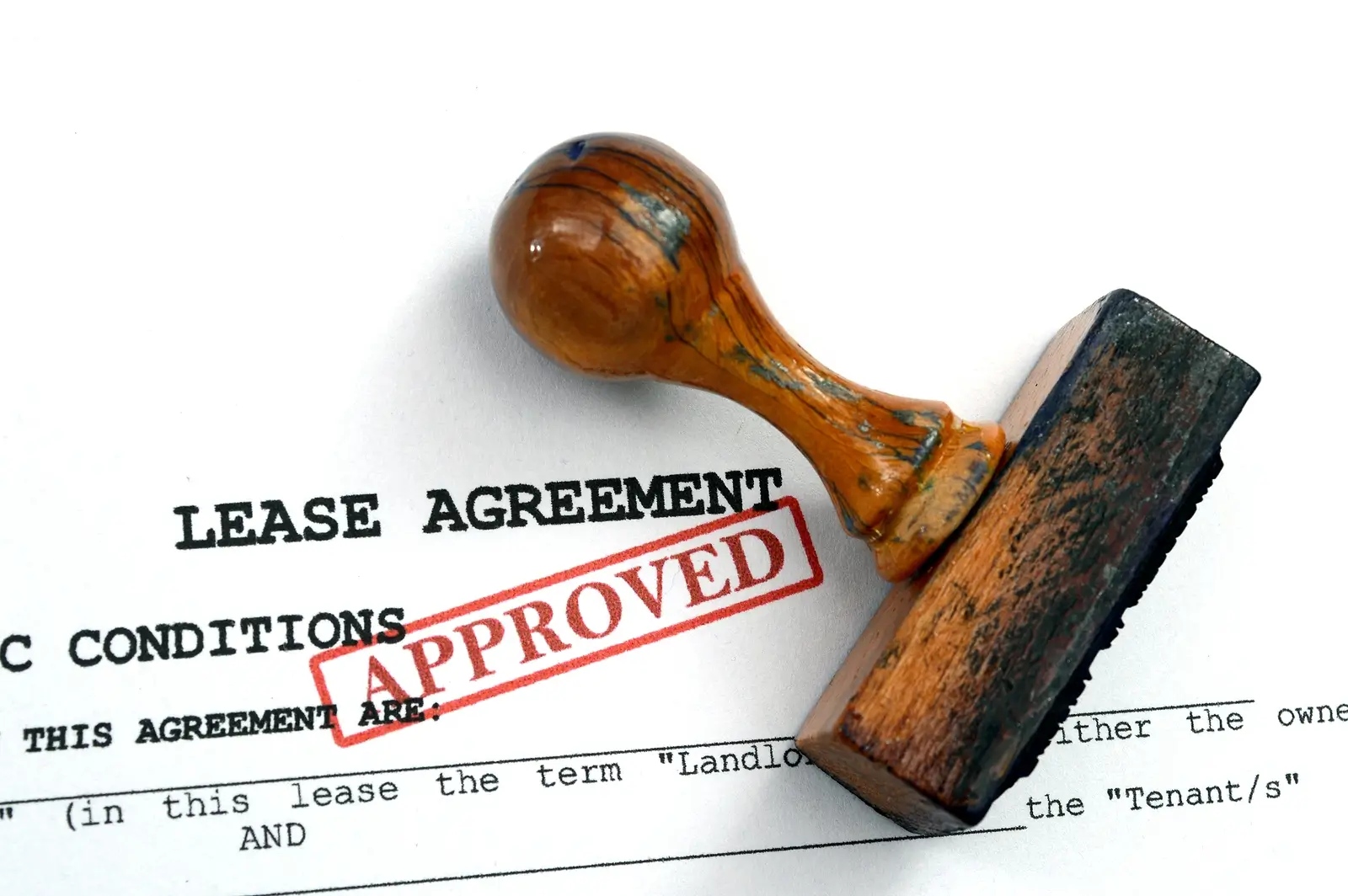
A lease agreement is one of the most important documents in any rental relationship. In South Carolina, a well-written lease helps protect property owners, establish tenant expectations, and reduce the risk of disputes. Without clear terms in place, misunderstandings can quickly lead to financial and legal complications.
For rental property owners in Greenville, SC, creating a complete and legally compliant lease agreement is essential for protecting long-term investment performance. Every clause should clearly outline the responsibilities of both parties and address key operational and financial details.
Structured leasing processes support compliance, tenant accountability, and property protection. A strong lease agreement creates the foundation for a smoother rental experience and more predictable results.
Key Takeaways
A detailed lease agreement protects property owners from legal and financial disputes.
Clear terms regarding rent, maintenance, and responsibilities improve tenant accountability.
Legally compliant leases help reduce risk and support consistent property operations.
Structured lease agreements contribute to long-term investment stability and tenant satisfaction.
Basic Information Every Lease Must Include
Every South Carolina lease agreement should begin with the essential details of the rental arrangement. This includes the names of all tenants, the property address, the lease term, and the monthly rent amount.
The lease should also specify when rent is due, acceptable payment methods, and any penalties for late payments. Clearly defining these terms reduces confusion and creates consistency throughout the tenancy.
Security deposit information should also be outlined in detail. While South Carolina does not impose a statewide limit on security deposits, lease agreements should explain deposit handling procedures, conditions for deductions, and timelines for return after move-out.
Including accurate and complete information at the beginning of the lease establishes clarity and professionalism from the start.
Defining Maintenance Responsibilities
Maintenance expectations are one of the most common sources of disputes between landlords and tenants. A strong lease agreement should clearly explain who is responsible for specific maintenance tasks and property upkeep obligations.
Tenants are often responsible for basic cleanliness, promptly reporting repair issues, and avoiding damage caused by negligence. Property owners, meanwhile, are generally responsible for maintaining habitability and addressing major repair concerns.
Clearly outlining these obligations helps reduce misunderstandings and prevents avoidable repair costs. Establishing clear tenant responsibilities also supports better communication and accountability throughout the lease term.
Consistent property upkeep is essential for protecting rental value and tenant satisfaction. Working with a reliable team that coordinates maintenance efficiently helps ensure repairs are addressed promptly and supports long-term property performance.
Rent Collection and Late Fee Policies
A lease agreement should establish a clear process for rent collection. This includes the monthly due date, grace periods if applicable, and consequences for late or missed payments.
Late fee policies must comply with South Carolina law and should be written clearly to avoid disputes. Tenants should understand exactly when fees apply and how they are calculated.
The lease should also address returned payment fees and procedures for repeated late payments. Consistency in enforcement is important for maintaining predictable cash flow and professional tenant relationships.
Clear financial expectations protect both parties and contribute to smoother day-to-day operations.
Occupancy Limits and Property Use
Lease agreements should define who is authorized to occupy the property. Listing all approved occupants helps property owners maintain accurate records and prevent unauthorized residents from moving in.
The lease should also explain the acceptable use of the property. For example, it may prohibit illegal activity, unauthorized subleasing, or excessive property alterations without approval.
These clauses help protect the property's condition while reducing liability and operational concerns. Establishing occupancy and usage standards creates a safer and more stable rental environment.
Rules for Repairs and Property Damage
Even well-maintained rental properties require occasional repairs. A lease agreement should explain how tenants should report maintenance concerns and what steps will be taken to address them.
Property damage policies should also be included. Tenants should understand which damages are considered normal wear and tear and which may result in financial responsibility.
Having documented repair procedures encourages tenants to report issues early before they become larger and more expensive problems. This proactive approach helps preserve the property's condition and minimize avoidable costs.
Routine property care also plays a major role in protecting investment performance. Partnering with experienced professionals who provide dependable maintenance support can help ensure repairs are handled efficiently and consistently.
Financial Recordkeeping and Lease Documentation
Maintaining accurate lease documentation is essential for property management success. Signed agreements, payment records, maintenance documentation, and communication history all provide valuable protection if disputes arise.
Organized financial records also support budgeting, tax preparation, and long-term investment planning. Property owners who maintain detailed records are better equipped to evaluate rental performance and manage expenses effectively.
Reliable accounting and reporting systems help property owners track lease-related financial activity while improving operational organization and decision-making.
Good recordkeeping not only protects property owners legally but also contributes to more efficient property management overall.
Lease Renewal and Termination Clauses
Every lease agreement should clearly explain renewal and termination procedures. This includes notice requirements, renewal timelines, and conditions under which the lease may be ended early.
Providing detailed guidance helps reduce confusion at the end of the lease term and supports smoother transitions between tenants.
The agreement should also address move-out expectations, including cleaning requirements, property condition standards, and security deposit procedures. Clear instructions help minimize disputes and encourage tenants to leave the property in good condition.
In Greenville’s competitive rental market, structured lease transitions help reduce vacancy periods and support consistent income.
Legal Compliance in South Carolina
South Carolina landlords must comply with state and federal housing regulations when creating lease agreements. This includes fair housing laws, habitability requirements, and disclosure obligations.
Lease agreements should avoid language that could be considered discriminatory or unenforceable. Using consistent, legally compliant lease terms protects property owners from unnecessary legal exposure.
Professional oversight can help ensure that leases remain up to date as regulations change. This reduces the likelihood of costly compliance mistakes and strengthens overall risk management.
A well-drafted lease agreement is not just a formality. It is a critical tool for protecting rental property investments.
FAQs
1. Does South Carolina require written lease agreements?
While oral lease agreements may be legally recognized in some situations, written leases provide stronger protection and clearer documentation for both parties.
2. What happens if a lease does not include maintenance responsibilities?
Without clearly defined maintenance terms, disputes may arise regarding repair obligations and property care expectations.
3. Can late fees be charged in South Carolina?
Yes, landlords can charge late fees if the terms are clearly outlined in the lease agreement and applied consistently.
4. Why are lease renewal clauses important?
Renewal clauses provide structure for extending or ending tenancy agreements, helping reduce confusion and vacancy disruptions.
5. How long should lease records be kept?
Property owners should keep signed leases, payment records, and maintenance documentation for several years to support legal and financial recordkeeping needs.
Protect Your Greenville Rental Property with Flagship SC
A strong lease agreement is one of the most effective tools for protecting the performance of rental properties in Greenville, SC. Clear terms, structured expectations, and legally compliant policies help reduce disputes while supporting stable tenant relationships and consistent cash flow.
At Flagship SC, we help property owners create organized leasing processes that protect investments and simplify property management operations. From tenant placement to ongoing management support, our team works to strengthen every stage of the rental process.
If you are ready to improve lease management and protect your Greenville rental property, contact us today and see how professional property management can support your long-term goals.